Source Urea Pump for Chemical, Water, and Alcohol Fuel Dispenser Nozzle
Find 30 urea pump listings with prices from 5 to 760 USD and MOQs starting at 1 piece. Compare options including gear pumps for chemical, water, and alcohol applications from Zhejiang, China.
Key considerations
Products List
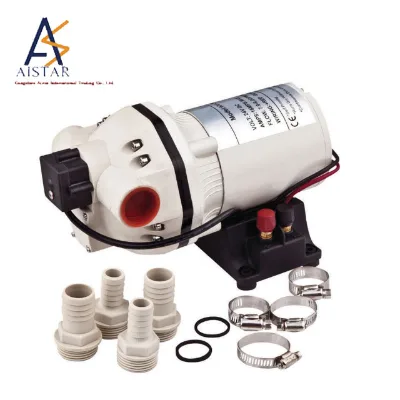


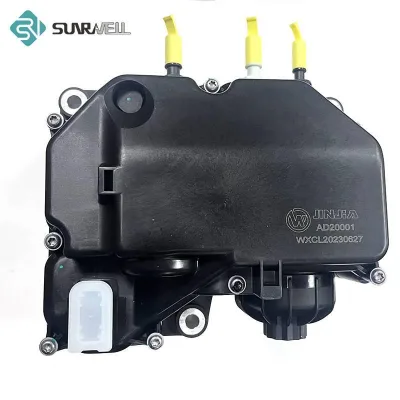


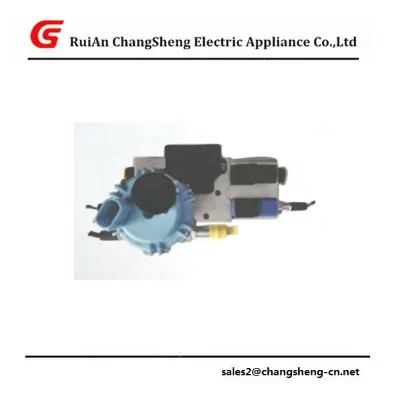


Comprehensive Sourcing Guide
Strategic Sourcing Guide for Urea Pump Procurement
Navigating the global market for urea pumps requires a disciplined approach that distinguishes between generic fluid transfer equipment and specialized components designed for Selective Catalytic Reduction (SCR) systems. The core keyword "urea pump" often appears in listings alongside broader categories such as chemical fuel dispensers, sewage pumps, and general fuel transfer units. For a procurement professional, the primary challenge lies in filtering through this semantic noise to identify components that strictly meet the rigorous demands of diesel emission control systems. This guide outlines the critical technical, compliance, and operational factors necessary for sourcing high-performance urea pumps, ensuring that the final acquisition aligns with both regulatory standards and long-term operational reliability.
Technical Specifications and Component Architecture
When evaluating a urea pump, the internal architecture and material composition are the first indicators of suitability. The supplied data indicates that urea pumps are frequently categorized under specific structural types, with "Gear Pump" being a prominent configuration. This mechanical design is essential for maintaining the precise flow rates required to inject urea solution (AdBlue) into the exhaust stream. The material selection is equally critical; listings show a divergence between "Plastic" and "Iron" or "Steel" body materials. For urea applications, the pump body and internal wetted parts must resist corrosion from the urea solution, which can be corrosive to certain metals. Therefore, buyers must verify that the "Body Material" is compatible with high-concentration urea, often requiring specific stainless steel grades or high-grade engineering plastics, rather than standard iron or generic steel which may degrade over time.
The power source is another definitive technical parameter. The available data confirms that these units are "Electric" driven, distinguishing them from mechanical or hydraulic pumps used in other industrial contexts. The operational environment for these pumps is often defined by "Ultra High Pressure" requirements, a specification that is vital for atomizing the urea solution effectively within the exhaust system. Buyers should scrutinize the pressure ratings against the specific engine requirements of their fleet or machinery. Furthermore, the "Stroke" specification of "4 Stroke" and "Fuel" type of "Diesel" found in related listings suggest that these pumps are integrated into diesel engine ecosystems. It is imperative to confirm that the pump's flow characteristics match the specific engine model, whether it is an ISB, ISF, or QSF series, as indicated by the model references in the data.
Compliance and Certification Verification
In the automotive and industrial sectors, compliance is not merely a formality but a prerequisite for market entry and operational legality. The data presents a complex landscape of certifications, including "ISO9001," "CE," "CCC," "COP," "ISOCE," "E-Mark," "RoHS," and "TS." For a urea pump, the presence of "E-Mark" and "RoHS" is particularly significant, as these indicate compliance with European Union safety and environmental standards regarding hazardous substances. The "ISO9001" certification suggests that the manufacturing process adheres to international quality management standards, which is a strong indicator of consistent production quality.
However, buyers must exercise caution when interpreting these certifications. The presence of "ISO" in the data does not automatically confirm compliance with the specific industry standard "ISO 22241," which governs urea quality and SCR system requirements. This standard is critical for ensuring that the urea solution itself and the system components do not cause damage or fail to meet emission targets. Procurement teams should explicitly request documentation proving that the pump design and materials comply with ISO 22241, rather than relying on general ISO certifications. Additionally, the "CCC" (China Compulsory Certification) is relevant for products entering the Chinese market, while "CE" is essential for European distribution. Verifying the authenticity of these certificates and ensuring they are current for the specific product batch is a necessary step in the due diligence process.
Cost Drivers and Pricing Dynamics
The observed price range for urea pumps spans from $5 to $760 USD, a variance that reflects significant differences in quality, brand, and technical capability. This wide spectrum indicates that the market contains both generic, low-cost components and specialized, high-performance units. The lower end of the price range likely corresponds to pumps with basic specifications, potentially using less durable materials or lacking advanced electronic controls. In contrast, the higher price points are associated with pumps featuring "High-Quality" and "Genuine" attributes, often linked to established brands like "Aistar" or "Dfec."
Several factors drive these costs. The "Customization" availability, including OEM, ODM, and OBM support, adds a layer of complexity and cost. Pumps that can be tailored to specific engine geometries or control protocols will naturally command a premium. The "Warranty" period is another cost driver; a "3 Years" warranty suggests a manufacturer's confidence in the product's longevity, which is factored into the unit price. Additionally, the "Packing" method, ranging from simple "Box" or "Carton" to "Dfec Package" or custom requirements, influences logistics costs. Buyers should analyze the total cost of ownership rather than just the unit price. A cheaper pump that requires frequent replacement or causes engine downtime due to failure will ultimately be more expensive than a higher-priced unit with a robust warranty and proven durability.
Typical Applications and Operational Context
Understanding the application context is vital for selecting the correct urea pump. The data lists diverse usage scenarios, including "Chemical," "water," "alcohol," and specifically "for Emission." While some listings describe pumps for general chemical transfer or water handling, the specific application for "urea" is inextricably linked to diesel emission control systems. These pumps are designed to inject urea into the exhaust stream of diesel engines to reduce nitrogen oxide (NOx) emissions. The "Application" field also mentions "water, alcohol fuel nozzle" and "Chemical Fuel Dispenser Nozzle," which highlights the potential for cross-application in fueling infrastructure, though the primary focus for urea pumps remains emission control.
The "Structure" of the pump, identified as a "Gear Pump," is particularly suited for the viscous nature of urea solutions. The "Usage" classification also includes "Sump Pumps," "SEWAGE PUMPS," and "Effluent Pumps," which are distinct from urea pumps. Procurement teams must be vigilant to avoid misclassification. A pump listed as a "Sump Pump" may not have the precision or chemical resistance required for urea injection. The correct application is confirmed by the "Fuel Saver Type" being "Electronic" and the integration with "Diesel" engines. The "Product Name" explicitly stating "Urea Pump" is the most reliable indicator, but buyers should cross-reference this with the "Usage" and "Application" fields to ensure the pump is designed for the specific chemical properties of urea solution.
Supplier Evaluation and Sourcing Capabilities
Evaluating suppliers requires a focus on their manufacturing capabilities and support structures. The data highlights that suppliers offer "OEM, ODM, OBM, Software Reengineering" support, indicating a high level of flexibility and technical partnership potential. This is crucial for buyers who may need to integrate the pump into a custom system or require specific branding. The "Brand Name" "Aistar" and "Dfec" are mentioned, suggesting that these entities are active players in the market. However, buyers should not rely solely on brand recognition; the "Place of Origin" is consistently listed as "Zhejiang, China" or generally "China." While this region is a major manufacturing hub, buyers should verify the specific factory's capacity and quality control processes.
The "MOQ" (Minimum Order Quantity) ranges from "1 Piece" to "25," offering flexibility for both small-scale testing and larger procurement runs. The "Selling Units" are often "Single item," which facilitates sampling. Logistics and delivery are also key considerations, with "DHL, TNT, EMS, UPS, FedEx" listed as delivery methods. Buyers should assess the supplier's ability to meet lead times and handle international shipping, especially given the "Original: Yes" designation which implies a focus on authentic, non-counterfeit goods. The "Condition" of the products is consistently listed as "100% Brand New" or "100% New," which is a standard expectation but worth verifying upon receipt.
Quality Control and Long-Term Procurement Strategy
Ensuring long-term reliability involves rigorous quality control measures. The data emphasizes "High-Quality" and "Genuine" attributes, but these are subjective claims without supporting test data. Buyers should implement their own quality control protocols, including incoming inspection of materials and performance testing. The "Standard Component" designation suggests that some parts may be interchangeable, but the "Customization: Available" note implies that many units are bespoke. This duality requires a flexible quality strategy that accommodates both standard and custom specifications.
For long-term procurement, the "Warranty" of "3 Years" is a significant factor. This warranty period suggests that the manufacturer stands behind the product's durability, which is essential for reducing total cost of ownership. Buyers should also consider the "Packing" standards, such as "Carton" or "Box," to ensure that the pumps arrive without damage. The "Product Number" and "Model" (e.g., WPSM-001, ISB, ISF, QSF) serve as critical identifiers for tracking and reordering. Establishing a relationship with a supplier that offers "Software Reengineering" support can also be beneficial for future upgrades or integration with new engine control units.
Comparative Analysis of Key Attributes
To facilitate decision-making, the following table summarizes the key attributes observed in the market data for urea pumps. This comparison highlights the variability in specifications and helps buyers identify the critical differentiators.
| Attribute | Observation 1 | Observation 2 | Observation 3 | Critical Verification Point |
|---|---|---|---|---|
| Material | Plastic | Iron | Steel (Body) | Verify corrosion resistance for urea |
| Structure | Gear Pump | Sump Pump | Centrifugal Pump | Confirm Gear Pump for precise flow |
| Certification | ISO9001, CE | CCC, E-Mark, RoHS | ISO (General) | Verify ISO 22241 compliance |
| Pressure | Ultra High Pressure | Standard | N/A | Match engine pressure requirements |
| Warranty | 3 Years | N/A | N/A | Confirm terms and coverage |
| MOQ | 1 Piece | 1 PC | 25 | Align with inventory strategy |
| Origin | Zhejiang, China | China | N/A | Assess logistics and lead times |
| Application | Emission, Chemical | Water, Alcohol | Fuel Dispenser | Ensure specific urea compatibility |
Conclusion
Sourcing urea pumps demands a meticulous approach that balances technical specifications, regulatory compliance, and supplier reliability. The market offers a wide range of options, from basic fluid transfer units to specialized emission control components. By focusing on the "Gear Pump" structure, verifying "Ultra High Pressure" capabilities, and ensuring compliance with specific standards like "ISO 22241" and "E-Mark," buyers can mitigate the risks associated with product failure. The wide price range and diverse material options necessitate a thorough evaluation of the total cost of ownership, including warranty terms and customization capabilities. Ultimately, successful procurement relies on a clear understanding of the specific application requirements and a rigorous vetting process for suppliers who can deliver genuine, high-quality components that meet the stringent demands of modern diesel emission systems.
FAQs
What certifications do urea pumps typically have?
Urea pumps often carry ISO9001, CE, CCC, and RoHS certifications. These indicate compliance with international quality management and safety standards, ensuring the product meets regulatory requirements for global distribution and emission control systems.
Which material is best for urea pump construction?
Urea pumps are constructed from plastic, iron, or steel body materials. Buyers must verify corrosion resistance since urea solution is corrosive, often requiring specific stainless steel grades or high-grade engineering plastics rather than standard iron.
Can urea pumps be customized for specific engines?
Yes, customization is available for OEM, ODM, OBM, and software reengineering. Suppliers offer tailored solutions to match specific engine models like ISB, ISF, or QSF series, ensuring precise integration into diesel emission control systems.
What is the minimum order quantity for urea pumps?
The minimum order quantity ranges from 1 piece to 25 pieces depending on the supplier. This flexibility allows buyers to order single items for testing or larger batches for immediate operational needs without excessive inventory commitment.
How long is the warranty period for these pumps?
The warranty period is typically 3 years for high-quality units. This extended coverage reflects manufacturer confidence in durability and reduces total cost of ownership by protecting against premature failure in critical emission control applications.
Where are urea pumps manufactured?
Urea pumps are primarily manufactured in Zhejiang, China. This region is a major manufacturing hub, and buyers should verify specific factory capacity and quality control processes despite the consistent origin location listed in product data.